


Solar Glass vs. Normal Glass | What Type of Glass is Used for Solar Panels
Home / blogs
What Is Solar Glass?
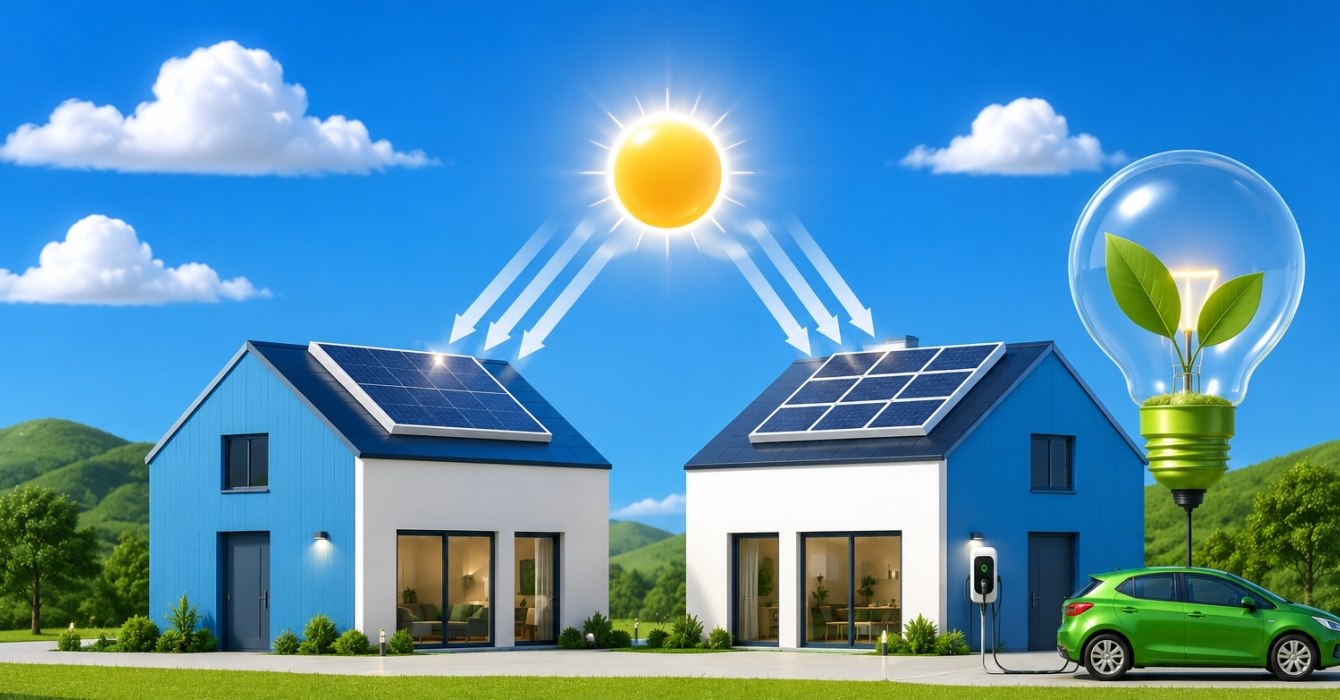
Solar glass that is used in manufacturing solar panels is not like ordinary glass; it has one or both sides with an anti-reflective coating. Solar panel glass is designed to optimize energy efficiency by guaranteeing that more sunlight is transformed into power, therefore lowering our dependence on fossil fuels. This covering ensures that the solar cells get the maximum amount of power from the sun by helping to concentrate sunlight.
How Does Solar Glass Differ from Other Types of Glasses?
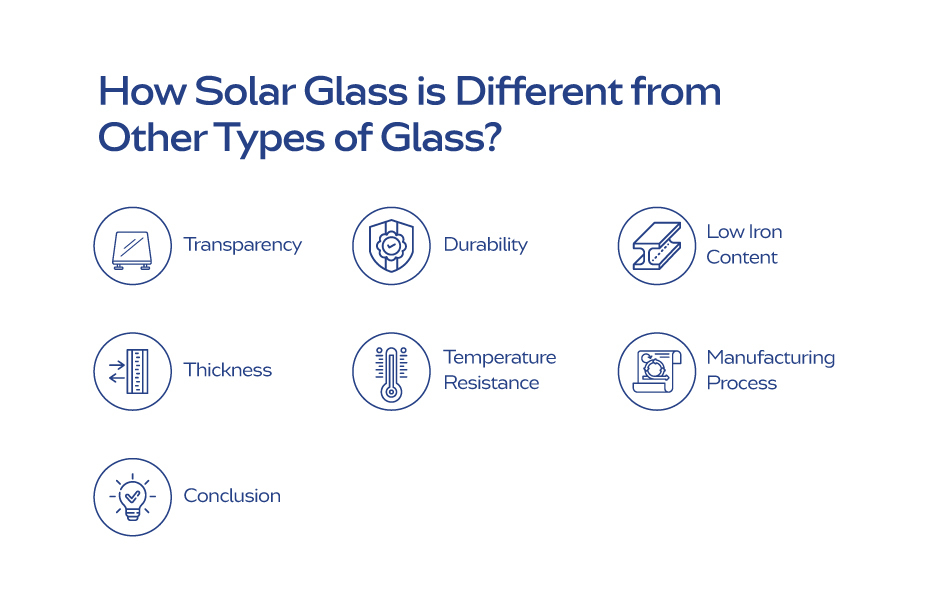
The significance of solar glass lies in the following factors in which it is better that other types of glasses:
Transparency
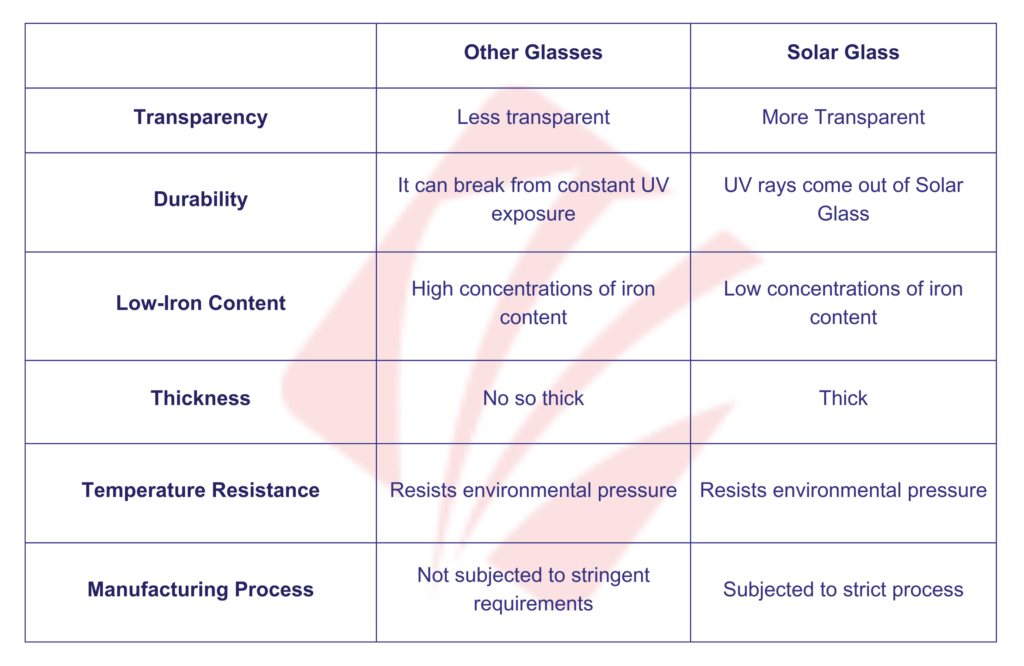
Solar panels’ main job is to convert sunlight into power. They can produce more energy the more sunlight they can absorb. More transparent solar glass allows solar panels to function at their maximum efficiency.
Normal glass, like that in your windows, reflects a good deal of sunlight away. Light that might be gathered and transformed into energy is reduced by this reflection. On the contrary, anti-reflective treatments are included into solar glass design to reduce this reflection. Reduced sunlight bounce-back allows more light to get through the glass and get to the photovoltaic cells inside the solar panels. This implies that as compared to ordinary glass, solar glass can funnel a larger proportion of sunlight to the solar cells.
Durability
Under extended UV light exposure, ordinary glass can break down, eventually losing its transparency and efficiency. But UV radiation is designed out of solar glass. Unlike regular glass that might discolor or weaken, this resilience ensures that the glass stays clear and efficient at capturing sunlight for many years.
Temperature swings can be rather noticeable in many regions of the globe between seasons or between day and night. With these temperature swings, ordinary glass can expand and compress, which might result in fractures or other structural problems. These swings are handled by solar panel glass without sacrificing its integrity.
Low Iron Content
Ever wondered why solar panels convert sunlight into energy so well? One key is their solar glass with low iron concentration.
Ordinary glass absorbs sunlight due to its higher iron content. This absorption reduces light reaching the solar cells, lowering solar panel efficiency. However, solar glass has less iron. Less light absorption allows more sunlight to reach the solar cells via the glass.
Solar panels must work under all lighting conditions, from midday sun to early morning and late afternoon light. Low iron solar glass allows in more light even when the sun isn’t shining, therefore it functions better. This versatility lets your solar panels generate electricity all day, enhancing their reliability.
Thickness
A strong barrier, solar panel glass resists environmental pressures like hailstorms, torrential rains, and high winds in addition to deflecting impacts. Thicker than ordinary glass, solar glass. Keeping the structural integrity is essential in large-scale solar panel installations. Over time, the panels stay steady and working because thicker solar glass provides the support required to avoid bending or shattering.
Increased thickness of solar panel glass adds to its durability over time. Micro-cracks and other damage of the kind that could affect the effectiveness of the panel are less likely to appear with thicker glass.
Temperature Resistance
Particularly in direct sunlight, solar panels can receive rather hot. Under those circumstances, ordinary glass might bend, discolor, or even fracture. By contrast, solar glass is made to withstand these extreme temperatures without losing any of its quality. This implies that solar glass keeps its strength and clarity even on the warmest days, so that the solar cells get the most sunlight possible.
Regular glass is composed differently from solar glass. To make sure solar glass works well in hot and humid environments, producers use materials with stronger temperature tolerance and adjust the glass formula to reduce impurities. High temperature softening or form loss of the glass is lowered by this composition.
Manufacturing Process
Think about the difference between bread from a gourmet bakery and bread cooked at home. Both may be delicious, but the bakery uses precise ingredients, advanced methods, and quality controls to make every loaf perfect. Solar glass requires a specific technique to work well in solar panels, unlike conventional glass.
There is also a difference in the production process. All steps, from pure raw materials to advanced melting technologies, precise shape, tempering, and anti-reflective coatings, aim to increase glass durability and performance. Quality control ensures every solar glass component meets the highest standards for solar energy production.
What Type of Glass is Used for Solar Panel Manufacturing?
Plate Glass
Benefits of Plate Glass
Cost-Effective
Good Transparency
Tempered Glass
Tempered glass has long been the go-to material for solar panels due to its affordability and popular use. The solar glass that has undergone a specific heat treatment technique is much more durable than ordinary glass. It can resist hail and strong winds, among other severe weather events.
Benefits of Tempered Glass
Thermal Stability
Safety
Durable
Soda-Lime Glass
Solar panels often make use of soda-lime glass. Its ingredients include silica, lime, and soda. Solar glass manufacturers in India often use this kind of glass due to its affordability and ease of production. It protects the solar cells well and provides excellent transparency, but it isn’t as strong as tempered glass.
Benefits of Soda-Lime Glass
Chemical Stability
Optical Clarity
Borosilicate Glass
Benefits of Borosilicate Glass
Thermal Shock Resistance
Ideal for settings with unpredictable weather, borosilicate glass is capable of handling rapid temperature fluctuations without breaking.
Chemical Resistance
Lead Crystal Glass
Benefits of Lead Crystal Glass
High Refractive Index
UV Protection
Conclusion
Solar glass, a renewable energy sector revolution, improves solar panel efficiency and dependability. With its efficient solar glass, Vishakha Renewables leads this development. Made from quality materials including dolomite, silica sand, and aluminum hydroxide, this ultra-clear solar glass maximizes light transmission and clarity for energy conversion.
Asahi India Glass Limited (AIS) and Vishakha Group merged, advancing solar glass. This joint venture proposes to create India’s largest solar glass plant in Mundra, Gujarat, with 3GW phase-1 capacity. India expects to activate this facility within 18-24 months to produce 450 GW of renewable energy by 2030. This increases renewable energy in the nation.
Vishakha Renewables is a trusted brand among solar glass manufacturers in India because of its commitment to innovation, quality, and environmental responsibility. Vishakha Renewables solar glass ensures a sustainable future by investing in reliable solar panels.
Answering More Queries Regarding Solar Panel Glass
What is the difference between solar glass and glass?
Which company made solar glass in India?
Does solar glass look different?
What are the properties of solar glass?
Technical properties of solar panel glasses:
- High light transmission
- Protection against radiation
- High surface quality
- Solarization stability
What are the raw materials of solar glass?
Among the primary elements of solar glass are quartz sand, soda ash, limestone, dolomite, sodium nitrate, mirabilite, sodium pyroantimonate, aluminum hydroxide, and so on. Mostly serving as the network forming body, quartz sand typically makes up more than half of the composition of the glass.