


Importance and Main Features of Solar Encapsulant in Solar Panel (EVA Sheet in Solar Panel)
Home / blogs
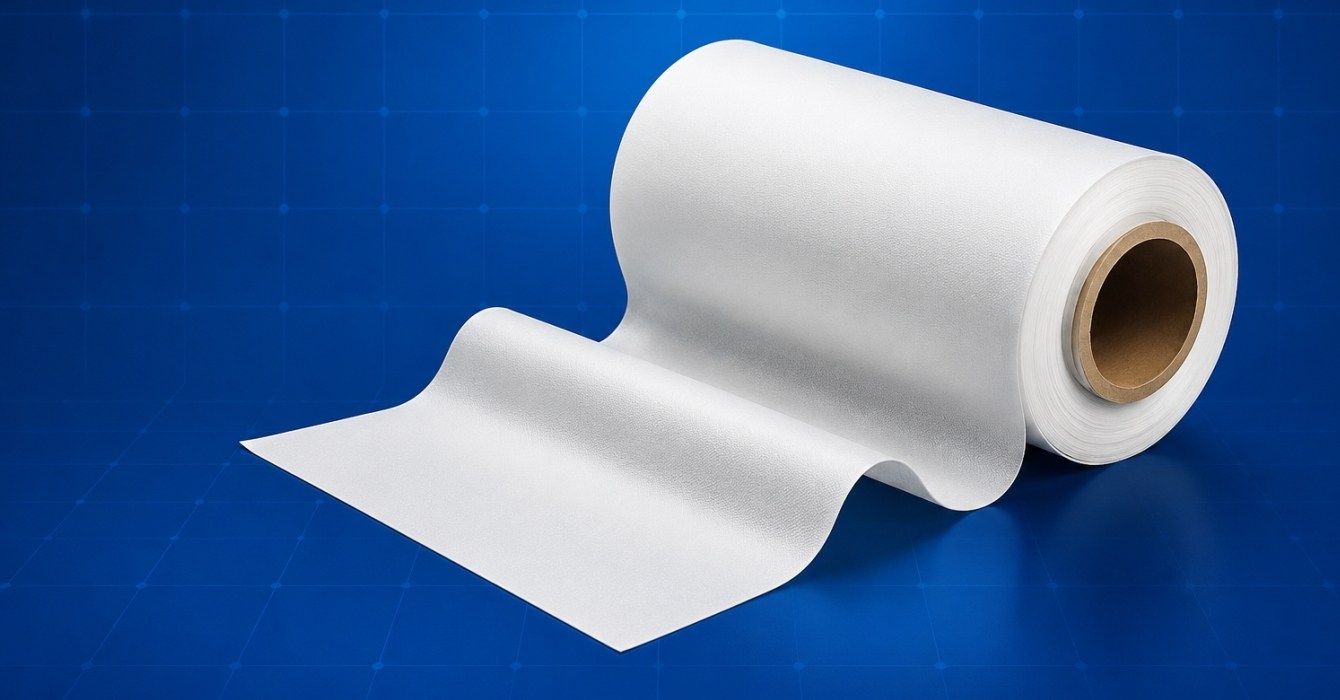
Solar panel encapsulation refers to the process of sealing photovoltaic (PV) cells and other components with polymeric materials to ensure the longevity and durability of the solar panel. Encapsulation is critical for the operational stability of PV cells. Solar encapsulant diminishes the effects of weather-related factors (such as moisture, UV radiation, oxidation, and extreme temperature) and augments solar cells’ resistance to external forces. The encapsulation layer safeguards the solar cell and guarantees its reliability and effectiveness.
This article dwells on the benefits of solar panel encapsulation, its key consideration, and why it matters for solar panel modules.
Role of Encapsulants in Solar Panels
Encapsulating solar panels refers to the method of securing solar cells with a safeguarding layer of encapsulant material. This encapsulation substance shields the solar cells from moisture, dirt, and various pollutants that may lead to damage to solar cells. The procedure includes laminating the solar cells’ top and bottom surfaces with a thin layer of polymer, such as ethylene-vinyl acetate (EVA), Polyolefin (POE) or other appropriate materials, such as PVB, ionomer, or silicone.
While the most popular encapsulant is EVA, Solar panel experts may suggest various other materials based on examination of the solar panel established site and its prevailing environmental conditions.
Main Features to Look in Solar Encapsulant
Encapsulant materials should be affordable and suitable for residential and industrial use. They must withstand environmental stressors and maintain long-term stability, ideally for over two decades. The essential criterion for each encapsulation element is its ability to safeguard solar cells from external deterioration factors.
The encapsulation material must encompass a range of characteristics as detailed below:
Superior Mechanical Strength
Exceptionally high optical transmittance
The encapsulation material should allow maximum sunlight penetration into the solar cells by minimizing reflection and refraction. Encapsulation materials designed with optimized optical properties can reduce CTM losses and keep solar cell efficiencies intact.
Electrical insulation
Mechanical Support and Reinforcement
UV resistance
Effective heat conduction
Ability to withstand thermal fluctuations
Resistance to Oxidation
Pro Tips Before Purchasing Encapsulant for Your Solar Business
- Carefully inspect the quality of encapsulant material before the purchase
- Verify the company’s certification and ensure that the encapsulant materials adhere to industry standards and regulatory guidelines.
- Choose manufacturers that follow best practices and adhere to current IEC standards
Importance of Solar Panel Encapsulation
Now that we have learned about the features of solar encapsulant, let us discover importance of EVA in solar panel:
Maintains optical and electrical transmissivity by excluding moisture
Maintain the structural integrity of the solar panel
Maintains the performance of solar panels
Other Benefits of Encapsulants in Solar Panels
- Low repair costs due to increased stability and strength of the solar panel
- Longer lifespan for solar panels
- Allows solar panel implementation in harsh climates by protecting the panel components from environmental stressors
- Increased savings on electricity output by improving the performance
Conclusion
Solar cells are vulnerable to adverse factors such as the oxidation process, mechanical stress, UV radiation, fluctuations in temperature, internal heating due to overload, and many other hazards. As a result, appropriate encapsulation is required to shield solar cells and keep their energy output stable.
Vishakha Renewables is a leading provider of solar encapsulation services, and our encapsulants feature No PID, exceptional solar transmission, excellent adhesion with Glass and Backsheets, superior dielectric properties, water/vapor resistance, high tensile strength, and quicker lamination. We provide a complete range of solar panel solutions, From choosing the right encapsulant for your cells to lamination suggestions.
For more details on solar encapsulants and expert advice, feel free to contact us.