


Types of Solar Encapsulants: Why Choose EPE over EVA & POE?
Home / blogs
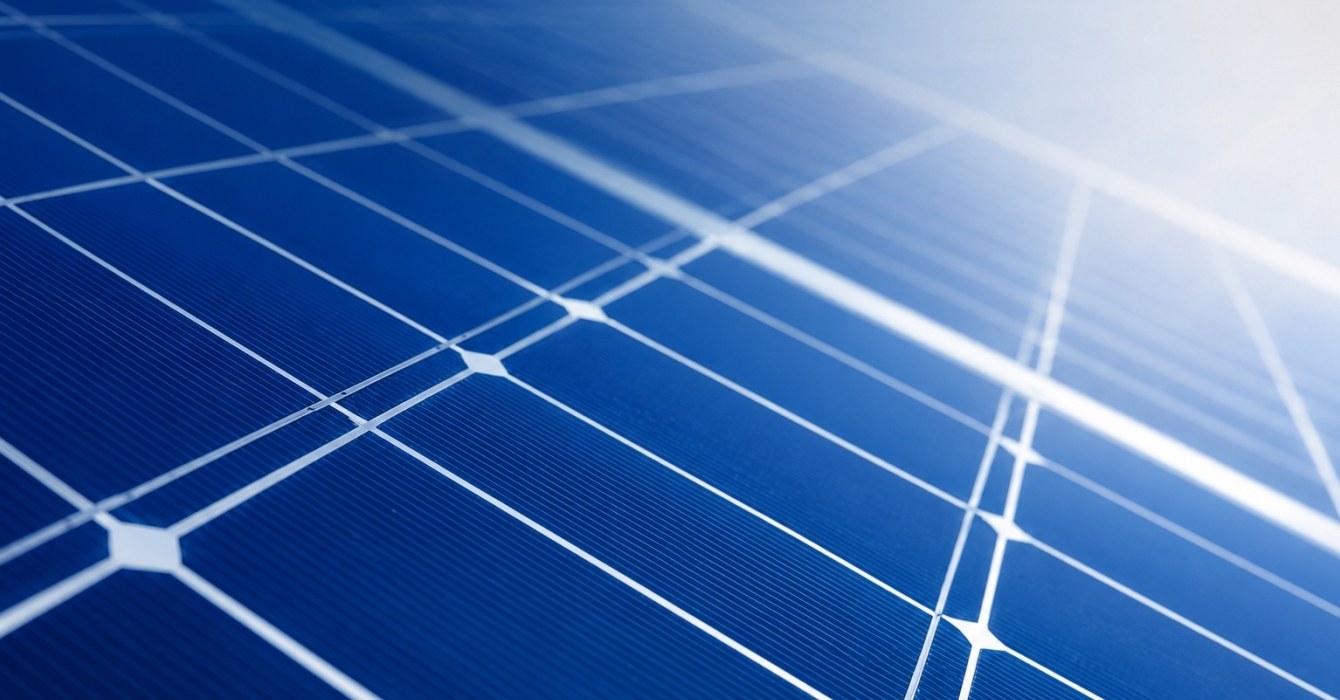
Solar encapsulants are the covering layers of solar cells. Many people do not understand the importance of these layers. The encapsulants quietly protect the solar panels from heat, rain, and ultraviolet light. Encapsulant selection determines how long the solar panels will last and how well they will work. If you select the right encapsulant, you can prevent a lot of issues later.
You can have your panels work better longer at a cheaper cost than commonly suggested without being committed to large expenses. In India, we see high ambient temperatures, heavy rainfall, and bright UV almost the entire year. Therefore, we should pay special attention to the materials we select. Given that these details determine the fate of your investment, it is not better to be sorry than safe.
We will present the different types of solar encapsulant material in this blog.
Common Types of Solar Encapsulants
Let us talk about the three main types of solar encapsulants people use:
EVA: The first one is called EVA, which stands for Ethylene Vinyl Acetate. Most solar panels have EVA because it is easy on the pocket and simple to use. Many companies pick EVA since it works well at the start. But over time, it can turn yellow and lose its strength when the sun shines hard on it every day. This can hurt the panel’s performance. As they say, every rose has its thorn.
POE: The second type is POE, which means Polyolefin Elastomer. POE is getting popular, especially in modern solar panels that need more care. It can block moisture much better than EVA. This makes it useful in places with heavy rains or a lot of dampness. However, POE is more costly and takes extra effort to fit into the panels. You need skilled hands to do it right, or you might end up in hot water.
EPE: The newest player is called EPE, or Encapsulant Polyolefin Elastomer. EPE is special because it brings the good parts of EVA and POE together. It stays strong under bright sunlight and keeps water out better. EPE is made to handle India’s tough weather without losing its quality. Many people are starting to see that EPE can give better value in the long run. This is something not everyone notices when they first plan their solar projects.
Key Performance Parameters for Indian Conditions
UV Resistance
Moisture Resistance
Electrical Insulation
Thermal Stability
Adhesion Strength
Why EPE Stands Out Over EVA and POE
Superior UV and Thermal Resistance
Improved PID Resistance
Enhanced Moisture Barrier
Process Compatibility
ROI Advantage
EPE: The Smarter Choice for India’s Solar Future
In the end, choosing the right solar encapsulant is not a small decision. It quietly shapes how your solar panels perform and how long they stay strong. While EVA and POE have their own benefits, EPE clearly brings better protection against heat, UV rays, and moisture, which matter a lot in India’s tough climate. It also helps you avoid hidden costs and enjoy longer returns on your investment. If you are planning a solar project and want steady quality without headaches later, EPE is worth serious thought.
At Vishakha Renewables, we focus on providing high-quality EPE encapsulants that suit India’s needs. Our team is ready to help you choose the right materials for your panels. Reach out to Vishakha Renewables to learn more about how EPE can make your solar systems more reliable and cost-effective for years to come.