


Know About Encapsulant Adhesion in Solar Panel
Home / blogs
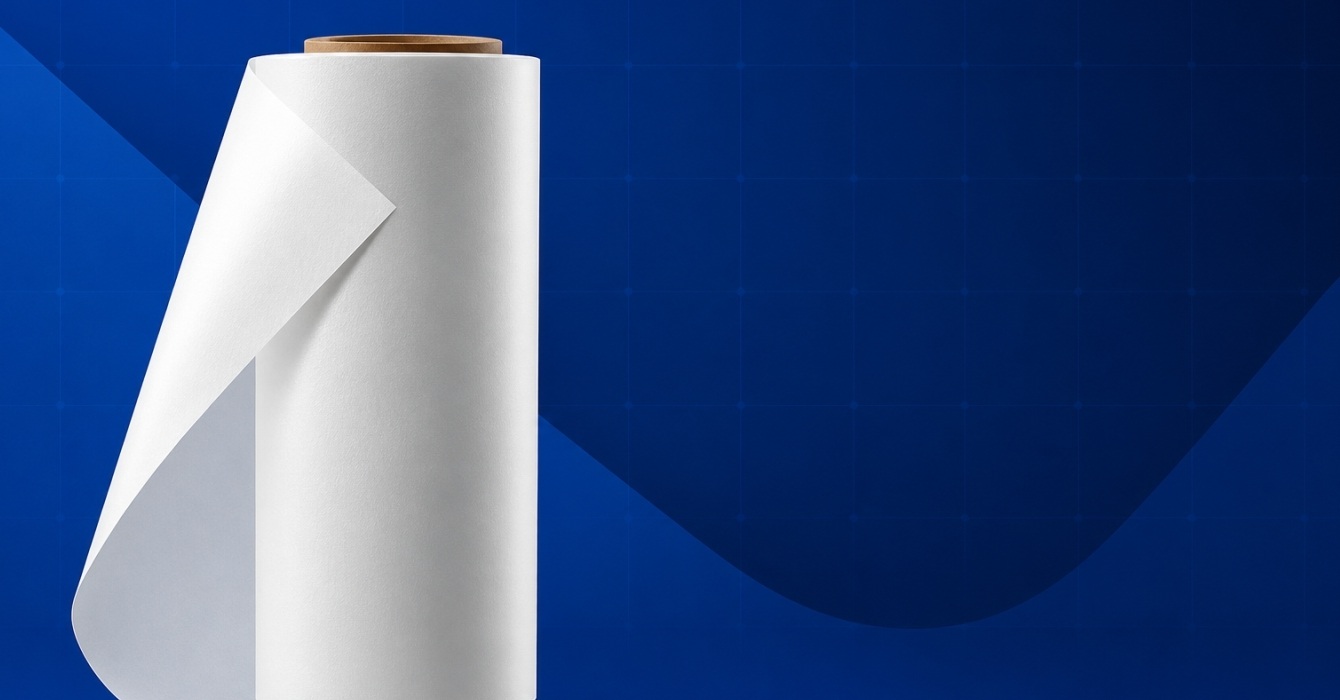
An encapsulant EVA (Ethylene Vinyl Acetate) is a key component in the production of photovoltaic (PV) modules. It offers excellent optical, electrical, and mechanical properties, making it ideal for use in solar panels. It works as a layer that covers and protects the solar cells, providing a durable and long-lasting barrier that shields the cells from environmental factors such as moisture, dust, and physical damage. The encapsulant is applied to the top and bottom of the solar cells to retain their efficiency at the module level. The Solar cells are sandwiched between encapsulants which forms a hermetic seal that protects the solar cells from moisture and other environmental factors.
What is Adhesion in Encapsulant?
Factors Affecting Encapsulant Adhesion
There are several factors that determine the adhesion properties of an EVA encapsulant, including its chemical composition, thickness, and curing conditions. The chemical composition of the encapsulant plays a significant role in determining its adhesion properties, as it influences the molecular structure of the material and its ability to bond with other materials. The thickness of the encapsulant is also important, as a thicker layer generally provides better adhesion than a thinner layer. However, it is important to balance the benefits of improved adhesion with the potential for increased stress on the solar cells, which can lead to cracking and reduced efficiency. Curing conditions, such as temperature and pressure, also play a critical role in the adhesion properties of the encapsulant. During the curing process, the encapsulant undergoes a chemical reaction that causes it to bond with the other materials in the module. The optimal curing conditions will depend on the specific composition of the encapsulant, as well as the design and construction of the module.
Functions of Encapsulant
Protects solar cells
Strengthens solar module
Encapsulant in solar panel keeps the efficiency of the solar cells intact. When light enters the solar panel, it is absorbed by the cells and converted into electrical energy. Higher absorption of encapsulants makes it possible to retain the efficiency of cells at module level, lowering the CTM loss.
Stabilizes solar cells
Types of Solar Encapsulants
EVA Encapsulant
Polyolefin
This is a newer type of encapsulant that has gained popularity in recent years. It is a more environmentally friendly material than EVA and has a higher resistance to moisture and temperature changes. It offers excellent PID resistance, very low WVTR and exceptionally high transmittance.
Challenges of EVA Encapsulant
One of the key challenges in developing an EVA encapsulant with strong adhesion properties is balancing the need for adhesion with other desirable properties, such as flexibility and durability. A highly adhesive encapsulant may be prone to cracking and delamination over time, especially if it is exposed to a wide range of environmental conditions.
To address this challenge, manufacturers typically use a combination of materials and techniques to enhance the adhesion properties of the encapsulant while also maintaining other desirable properties. For example, some encapsulants may include additives that improve their bonding properties while also increasing their flexibility and resistance to environmental factors.
In addition to improving the adhesion properties of the encapsulant itself, module manufacturers also take steps to ensure that the other components of the module are designed and constructed to maximize adhesion. This includes using materials that are compatible with the encapsulant and optimizing the design of the module to minimize stress on the encapsulant and solar cells.
Conclusion
In conclusion, encapsulant is a critical component of a solar panel that plays a vital role in protecting the solar cells. It is a thin, transparent layer that is applied to the top and bottom of the solar cells to protect them from environmental damage and improve their mechanical stability. There are two main types of encapsulant used in solar panels: EVA and polyolefin. Both materials offer excellent protection and improve the efficiency of solar panels, but polyolefin is a more environmentally friendly material and has a higher resistance to PID, moisture and temperature changes.