


How do you Choose Materials for Solar Cell Production?
Home / blogs
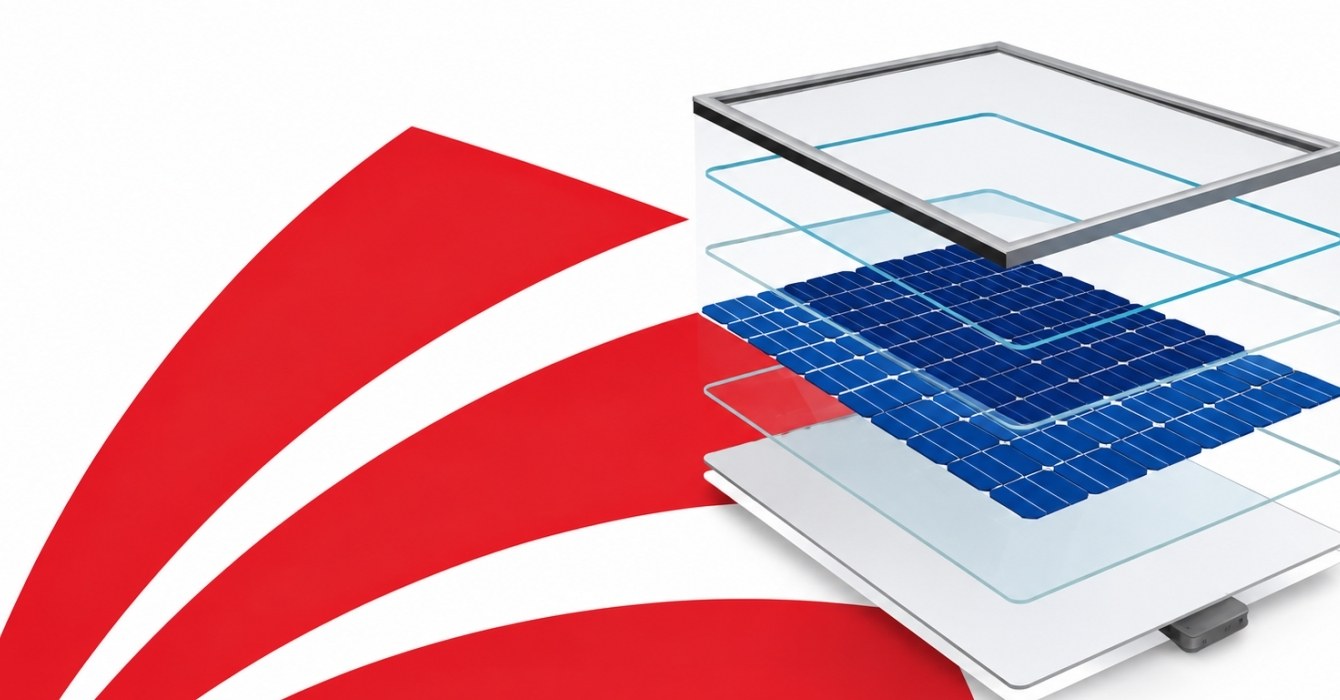
Solar energy has changed the way we power our lives. Now, at the heart of this clean power are solar cells. But here’s a simple truth: not all solar cells are made the same. What makes the real difference is the material they’re built with.
Among the most crucial decisions in the process is selecting the appropriate material for solar cells. If you get it right, your solar panels will last longer, produce more power, and function well even in varying temperatures. And with everyone toward greener energy, this decision is more important than ever.
We shall discover on this blog the several materials used in the production of solar panels.
Core Factors in Choosing Solar Cell Materials
Electrical efficiency
In simple terms, efficiency is the rate of sunlight your panel can convert into usable electricity. Some materials are better than others. When you have greater efficiency, you will get more power from the same amount of sunlight.
Cost Efficiency
Material availability and reliability of supply chain
Environmental impact and recyclability
Compatibility with cell architecture (e.g., single-junction vs. multi-junction)
Key Material Types Used in Solar Cells
Silicon
Thin-Film Alternatives
Perovskites
III V Semiconductors
Other Crucial Materials in Solar Panel Construction
Backsheet Materials
This is the outer layer on the back of the solar panel. Its job is to protect everything inside. The most common materials used for backsheets are PET, PVF, and PVDF. These are special plastics that are strong, don’t tear easily, and can handle sunlight without falling apart. They also keep out moisture, which is a big deal because water can damage the parts inside. When choosing a backsheet, people look for things like UV resistance, mechanical strength, and good moisture protection.
Encapsulants
These are the clear layers that cover the solar cells and hold everything in place. The most used material here is EVA, or ethylene vinyl acetate. It’s clear, sticky when heated, and keeps the cells safe from heat, rain, and dust. It’s sort of like a seal that hugs the cells tight so they don’t move or get damaged. Some people are now testing other options like POE, which can sometimes perform better in high heat. But EVA is still the go-to choice for many manufacturers because it works well and it’s affordable.
Conductive Materials
Conclusion
Let’s wrap this up on a clear note. Choosing the right materials for solar cell production is about balancing efficiency, cost, durability, availability, and long-term performance. From the core cell material to backsheets, encapsulants, and conductive layers, each part plays its own role. When these materials are chosen with care, the end result is a solar panel that works well, lasts long, and stands strong in real-world conditions.
But getting the right materials is where experience and quality matter. If you’re looking for a trusted name in solar raw materials, Vishakha Renewables is a name you can rely on. We offer high-quality products that are built to support both performance and stability in solar panels.
Our products meet modern industry needs without cutting corners. And most importantly, they make sure what they deliver actually supports the long-term health of your solar projects. In a field where every layer counts, Vishakha Renewables helps make sure each one is solid.